Having taught feminist, gender, and sexuality issues in higher education for more than a decade now, I have always been invested in issues of sexual abuse, assault, and harassment. My research in this area therefore draws on and is strongly motivated by the lived experience of my students, past, present, and future. I am particularly interested in how digital forms of sexual violence manifest and how they impact the lives of victim-survivors, bystanders, and support persons.
Campus Sexual Misconduct in a Digital Age (CASMIDA)
Since 2021, I have led a new project as Principal Investigator. “Campus Sexual Misconduct in a Digital Age (CASMIDA)” explores the intersections between campus sexual misconduct and technology-facilitated sexual violence (TFSV) in Singapore.

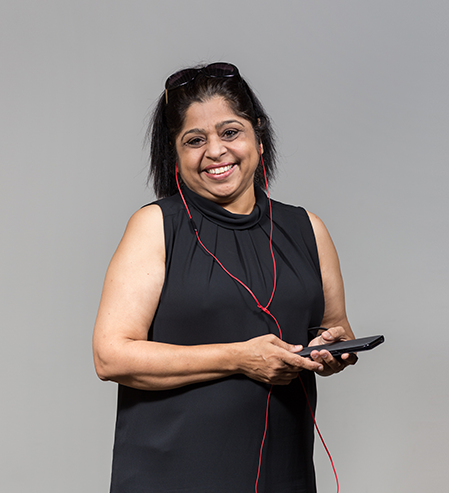
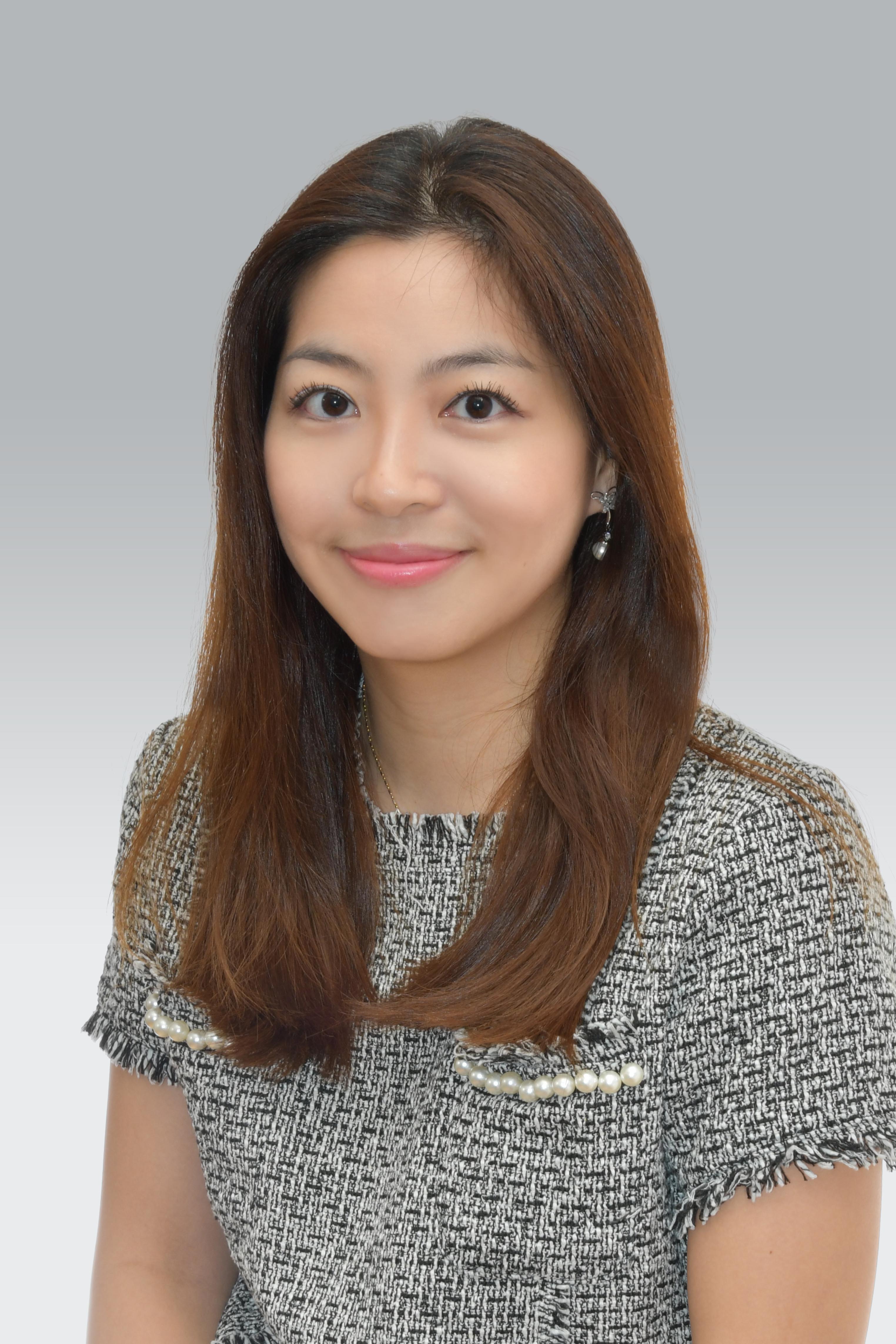
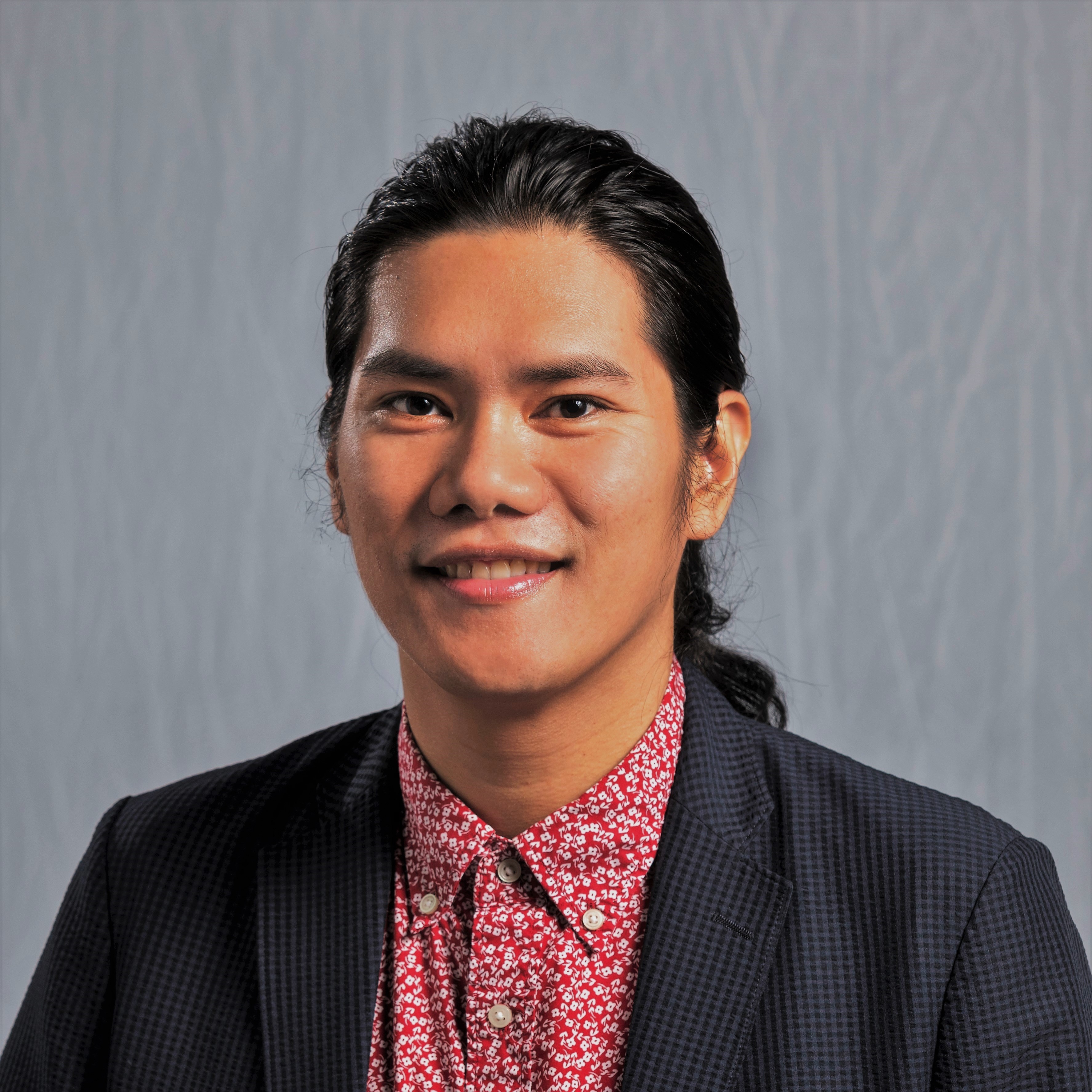
CASMIDA is in collaboration with a team of NUS and NTU scholars: (from left to right) Dr. Jungup Lee (Social Work, NUS), Dr. Bimlesh Wadhwa (Computer Science, NUS), Dr. Olivia Choy (Psychology, NTU), and Dr. Edson Tandoc (Communication, NTU).

Grants that have supported CASMIDA:
2022
National University of Singapore (NUS) Ministry of Education (MOE) Tier 1 Grant for “Campus Sexual Misconduct in a Digital Age (CASMIDA): Perspectives from Singapore”
2021
National University of Singapore (NUS) Center for Trusted Internet and Community (CTIC) Pilot Project Grant for “Detrimental to Our Well-Being: Digital Technologies and Campus Sexual Misconduct in Singapore”
Faculty of Arts and Social Sciences (FASS) Staff Research Support Scheme (SRSS) for “Detrimental to Our Well-Being: Digital Technologies and Campus Sexual Misconduct in Singapore”
2020
Research Scholarship Block-Fund Post Doc Fellows (RSB-PDF) Grant
Publications from CASMIDA so far:
2025
Ho, Michelle H. S., Wi En Ng, Angela Louise C. Rosario, Jungup Lee, Bimlesh Wadhwa, Olivia Choy, and Edson C. Tandoc. “‘When everything goes online, it’s never really gone’: understanding technology-facilitated sexual violence (TFSV) in Singapore,” in Journal of Gender Studies. Advance Online Publication. DOI: https://doi.org/10.1177/10778012241283498
Michelle H. S., Shivani Gupta, Jungup Lee, Bimlesh Wadhwa, and Xinhong Fu. “Detrimental to Our Digital Well-Being: Technology-Facilitated Sexual Violence Among University Students in Singapore,” in Violence Against Women. 31(14): 3603-3631.
2024
Gupta, Shivani, Francis Luis Medado Torres, Sharon Yvette Xiomara Rosamor ’n Doen, Jungup Lee, and Bimlesh Wadhwa, and Ho, Michelle H. S. “Mapping Technology-Facilitated Sexual Violence in Singapore.” In Research Handbook on Social Media and Society, edited by Marko M. Skoric and Natalie Pang, 42-57. Cheltenham, UK: Edward Elgar. (Invited chapter).
Talks and presentations we have done so far are:
Talks
Ho, Michelle H. S., and Olivia Choy. “‘It’s Becoming More Common Online’: Campus Sexual Misconduct in a Digital Age (CASMIDA).” October 10, 2025. Gender and Diversity Studies Seminar hosted by Nanyang Technological University (NTU), College of Humanities, Arts, and Social Sciences (CoHASS). (Invited Speaker).
Ho, Michelle H. S. “’It’s Becoming More Common Online’: Campus Sexual Misconduct in a Digital Age (CASMIDA).” August 29, 2025. Hosted by Nanyang Technological University (NTU), Wee Kim Wee School of Communication and Information (WKWSCI). Part of the WKWSCI Speaker Series. (Invited Speaker).
Ho, Michelle H. S., Wi En Ng, and Angela Louise C. Rosario. “‘When Everything Goes Online, it’s Never Really Gone’: Understanding Technology-Facilitated Sexual Violence (TFSV) in Singapore.” Research Workshop on Gender, Youth and Media in Asia, National University of Singapore. February 26-28, 2024. Hosted by the NUS Gender and Sexuality Research Cluster (GSRC).
Ho, Michelle H. S., Shivani Gupta, Jungup Lee, and Bimlesh Wadhwa. “Detrimental to Our Well-Being: Digital Technologies and Campus Sexual Misconduct in Singapore,” Singapore, April 8, 2022. Co-hosted by the NUS Gender and Sexuality Research Cluster (GSRC).
International Conference Presentations
Ho, Michelle H. S. Ho. “’I Feel like It Will Never Stop’: The Crisis of Technology-Facilitated Sexual Violence (TFSV) in Singapore.” AAS-IN-ASIA Annual Conference, Daegu, Korea, June 24-27, 2023.
Part of “Gender Based Violence Across Asia and the Diaspora I & II” Double Panel.
Ho, Michelle H. S., and Cherie Tay. “Sexual Violence Enabled by Technology: Feminist Perspectives from Singapore.” National Women’s Studies Association (NWSA) Annual Conference, Minneapolis, MN, November 10-13, 2022.
Gupta, Shivani and Michelle H. S. Ho. “Digital Well-being on Campus: Technology Facilitated Sexual Violence Amongst University Students in Singapore.” Association for Asian Studies (AAS) Annual Conference, Honolulu, HI, March 24-27, 2022.
Ho, Michelle H. S. “Violent Visibilities: Campus Sexual Misconduct Facilitated by Technology in Singapore.” Cultural Studies Association (CSA) Conference, Virtual, June 10-12, 2021.
International Conference Panels Organized
Gender-Based Violence across Asia and the Diaspora I: (Dis)empowering Women through Laws, Activism, and the Economy, AAS-IN-ASIA Annual Conference, Daegu, Korea, June 24-27, 2023.
Gender-Based Violence across Asia and the Diaspora II: Media and New Ways of Proliferating Harms, AAS-IN-ASIA Annual Conference, Daegu, Korea, June 24-27, 2023.
Asian Feminisms in a Digital Age: Telling their Stories, NWSA Annual Conference, Minneapolis, MN, November 10-13, 2022.
Technology Facilitated Sexual Violence (TFSV) in Singapore, AAS Annual Conference, co-organized with Shivani Gupta (National University of Singapore), Honolulu, HI, March 24-27, 2022.
Discussant: Laura Vitis (Queensland University of Technology)
Building Bridges across Feminist Pedagogy and Research: Interventions in Young Singaporeans’ Experiences and Understandings of Sexual Violence
Since 2023, I have embarked on a new project as Co-Investigator with Dr. Shobha Avadhani (Communications and New Media, NUS), with whom I have co-taught Sex in the Media in the last four years. Our study, which combines pedagogical and scholarly research elements, explores young Singaporeans’ experiences and understandings of sexual violence through a case study of NUS students.
Sexual violence can take many different forms and does not only refer to physical sexual violence such as rape, but also digital forms like technology facilitated sexual violence (TFSV), as well as the mental, emotional, and psychological trauma associated with these forms. Importantly, a person of any gender may experience sexual violence. Observing such violence and the discourse around it also has an impact on young people who lack the tools for processing this experience.
Our aims for this project are twofold. First, reflecting on the lessons of feminist pedagogy enhances our teaching in the classroom. After we have taught Sex in the Media every year, we hold a conversation about what worked for our students and how to promote their learning. This project enables us to concretize our conversations and distill these important pedagogical lessons for other instructors to learn from. Second, drawing on data from scholarly research will allow us to meaningfully connect students’ learning within the classroom to outside the classroom. This is a necessary reference point to understand students’ knowledge about sexuality and sexual violence.
Ultimately as feminist scholars and instructors, we believe that teaching and research go hand in hand. Teaching should inform research and vice versa.
Grants that have supported this research:
2023
Faculty of Arts and Social Sciences (FASS) Staff Research Support Scheme (SRSS) for “Building Bridges across Feminist Pedagogy and Research: Interventions in Young Singaporeans’ Experiences and Understandings of Sexual Violence” (as Co-Investigator)
CNM Research Fund for “Building Bridges across Feminist Pedagogy and Research: Interventions in Young Singaporeans’ Experiences and Understandings of Sexual Violence” (as Co-Investigator)
 Michelle H. S. Ho